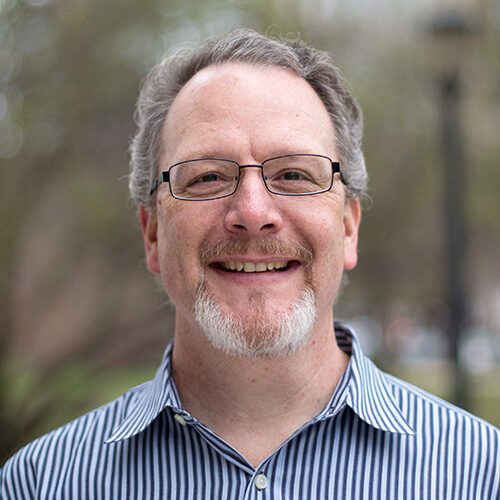

 Chris Green, Ph.D, D.Min
Chris Green earned a B.S. and an M.M. at Southwestern Christian University, an M.S.T.S at Southwestern Assemblies of God University, a D.Min. at Oral Roberts University, and a Ph.D. at Bangor University. Dr. Green has served as faculty at Pentecostal Theological Seminary, Southwestern Christian University, Mid-American University, and Oral Roberts University. His research and writing focus on the relationship of vocation, holiness, and scriptural hermeneutics. Dr. Green presently serves as Professor of Public Theology at Southeastern University (Lakeland, FL) and Director for St Anthony Institute of Theology, Philosophy, and Liturgics. He is the author and editor of a number of books, including most recently, All Things Beautiful: An Aesthetic Christology.
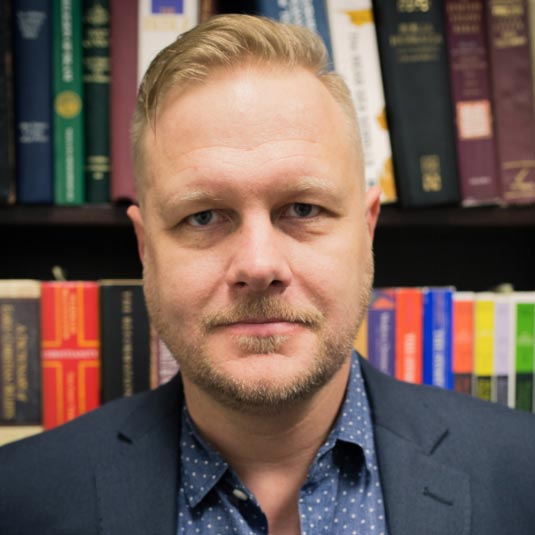
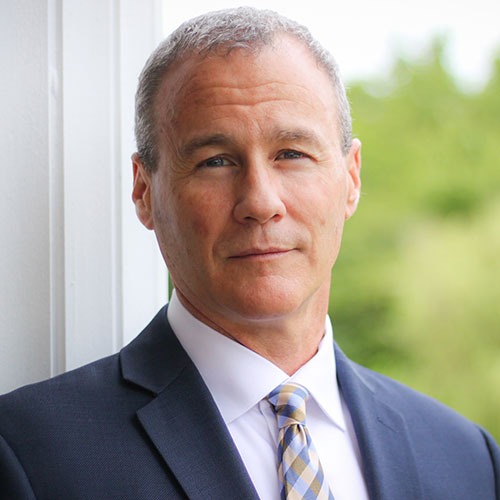
 Steve Hall, D.Min.
Steve attended Lee University where he met his wife La Don. They served in Pastoral roles on the west coast until 1992 when he decided to further his education in counseling and return to Maryland. Upon returning, he joined the team at Heritage Community Church and focused on Christian Education and Pastoral Care.
He attended Loyola College in Baltimore, graduating in 1998 with a Master's in Pastoral Counseling. He attained his license to practice Mental Health in Maryland and started the Heritage Pastoral Counseling Center. He received his Doctorate of Ministry in Spiritual Formation from Ashland Theological Seminary and has served as Pastor with Heritage Community Church for nearly three decades.
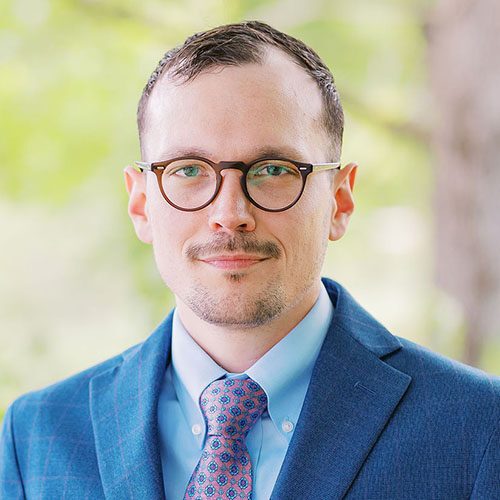
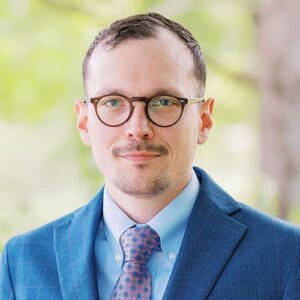 Preston Hill, Ph.D.
Dr. Hill serves as Assistant Professor of Integrative Theology at Richmont and the Director of the Doctor of Ministry Program. ln 2021 he completed a Ph.D. in Theology at St Mary’s College, University of St Andrews, having previously completed an MLitt degree in Analytic and Exegetical Theology from the Logos Institute at St Andrews. He has released his first coauthored book with Scott Harrower and Joshua Cockayne entitled Dawn of Sunday: The Trinity and Trauma-Safe Church (Cascade) and is releasing his first edited volume entitled Christ and Trauma: Theology East of Eden (Pickwick Publications). Dr. Hill is also ordained in the Anglican tradition and is a pre-licensed clinical pastoral therapist.
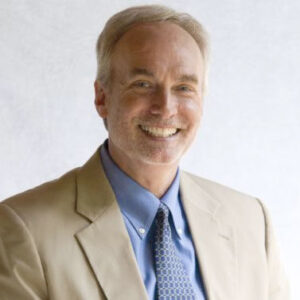
Gary W. Moon, Ph.D.
Distinguished Professor of Psychology and Christian Spirituality
Ph.D. Fuller Theological Seminary. Director of the Martin Family Institute and Dallas Willard Center for Christian Spiritual Formation at Westmont College in Santa Barbara, California. Codirector of Fuller’s Doctor of Ministry degree program in Spiritual Direction. Founding Director of the Renovaré International Institute for Christian Spiritual Formation. His books include Becoming Dallas Willard, Apprenticeship with Jesus, and Falling for God.
Joshua Rice, Ph.D.
Dr. Joshua Rice serves as Provost and Dean of the School of Ministry at Richmont Graduate University. He holds degrees from Lee University (B.A.), Columbia Theological Seminary (M.A.), and the Lutheran School of Theology at Chicago (Th.M, Ph.D.). He is the author of three monographs, Paul and Patronage: The Dynamics of Power in 1 Corinthians (Pickwick, 2013), The Jewish Centaur: Adventures in Pentecostal Spirituality (Cascade, 2015), and The Patriarch: Essays from the Middle (Resource Publications, 2024), as well as numerous scholarly articles. A full-time pastor for 20+ years, his passions are at the nexus of students, the Church, leadership development, and biblical scholarship. He is also a current student in the MS in Clinical Mental Health Counseling at Georgia State University where he also works on research projects in the HAPPI Lab.
 Samuel Youngs, Ph.D.
Samuel Youngs has been a part of The Mission Chattanooga community since 2012. As the Dean he is primarily responsible for shepherding the academic vision of the MSM. He also serves as the lead Lecturer in Theology & History for the MSM. Sam is a professor in the Christian Studies department at Bryan College in Dayton, TN. He has taught at Bryan since 2011. He earned his Ph.D. in Theology & Religious Studies at King’s College (London); his M.A. in Religion is from Gordon-Conwell Theological Seminary. His teaching and research interests span philosophical theology, history of doctrine, world religion, and hermeneutics. He served as the Book Review Editor for American Theological Inquiry from 2013 to 2015 and has published reviews and/or articles in Reviews in Religion & Theology, Swiss American Historical Review, The Asbury Journal, Trinity Journal, American Theological Inquiry, The Journal of Religious History, Philosophia Christi, and The Journal of Comparative Theology. His first book is under contract, entitled: The Way of the Kenotic Christ: The Christology of Jürgen Moltmann.
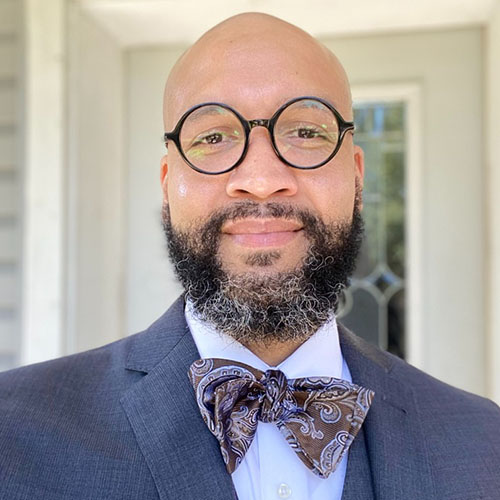
Ernest Gray, Jr., Ph.D.
Ernest Gray, Jr. is the Senior Pastor of Keystone Baptist Church located in the West Garfield Park neighborhood of Chicago, and the Spiritual Care Director of the Lawndale Christian Health Center. He is a graduate of the Moody Bible Institute with a degree in Pastoral Ministries, and a graduate of Wheaton College with a Master’s Degree in Biblical Exegesis. He completed his PhD coursework at McMaster Divinity College and is currently completing his thesis within the corpus of 1 Peter. Dr. Gray has taught in undergraduate school of Moody in the areas of Hermeneutics, first year Greek Grammar, General Epistles, the Gospel of John and Senior Seminar. It is Dr. Gray’s hope to impact the African American church through scholarship. Teaching has been one way that God has blessed him to live this out.

David McNutt, Ph.D.
The Rev. Dr. David McNutt (PhD, University of Cambridge) is Senior Acquisitions Editor at Zondervan Academic, a division of HarperCollins Christian Publishing, and Associate Lecturer of Core Studies at Wheaton College. He is the co-author of Know the Theologians, an ordained minister in the Presbyterian Church (USA), and the co-founder of McNuttshell Ministries.


Jennifer Powell McNutt, Ph.D.
The Rev. Dr. Jennifer Powell McNutt (Ph.D., University of St. Andrews) holds the Franklin S. Dyrness Chair of Biblical and Theological Studies at Wheaton College and is Associate Professor of Theology and History of Christianity with specialty in Reformation Studies and John Calvin. She is a Fellow in the Royal Historical Society, co-author of Know the Theologians, an ordained minister in the Presbyterian Church (USA), and the co-founder of McNuttshell Ministries.

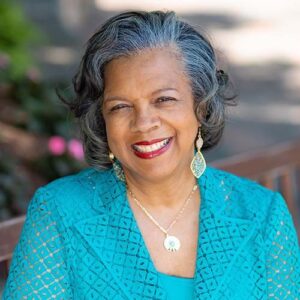
Barbara Peacock, D.Min.
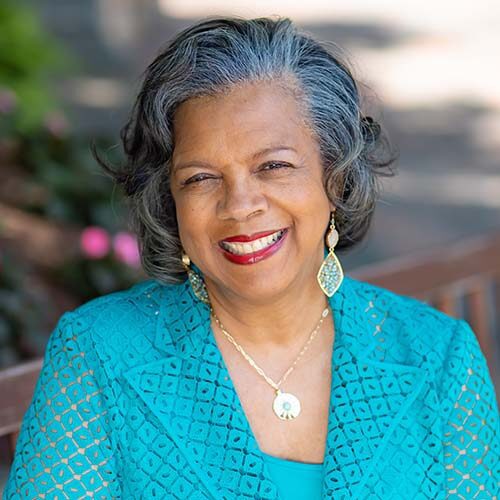
Rev. Dr. Barbara L. Peacock is the founder of Peacock Soul Care (PSC). PSC is an institution that offers a certificate of completion in Spiritual Direction and Spiritual Formation for persons seeking the deeper journey with God. PSC also offers special Soul Care Leadership classes.
Dr. Peacock is the author of the award-winning book Soul Care in African American Practice. She also wrote Psalm 119 Scriptural Journal and Called to Teach (Acronym C.A.L.L.E.D. means Commissioned As Leaders, Learners, Educations and Disciples). She is passionate about the disciplines of prayer, spiritual direction, soul care, and spiritual formation. In 2013 she founded Barbara L. Peacock Ministries. This ministry is committed to providing safe spaces for encounters with God. In 2022 she will launch The Soul Care Institute.
Amy Peeler, Ph.D.
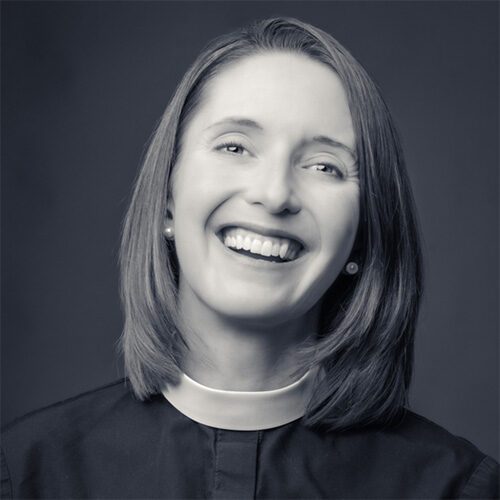
Amy Peeler is Associate Professor of New Testament at Wheaton College and Associate Rector at St. Mark’s Episcopal Church in Geneva, IL. Her primary areas of research are the Epistle to the Hebrews (You are My Son: The Family of God in the Epistle to the Hebrews, T&T Clark, 2014; With Patrick Gray, Hebrews: An Introduction and Study Guide, T&T Clark, 2020) and a theological interpretation of gender (Women and the Gender of God, Eerdmans, 2022). Mother of three, she is blessed to see the three vocations to which she has been called: professor, pastor, and parent mutually inform one another.
Andrew Schmutzer, Ph.D.
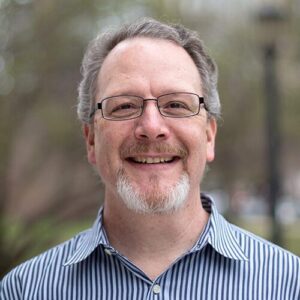
Andrew is Professor of Biblical Studies at Moody Bible Institute and has been teaching full-time since 1998. Prior to teaching at Moody, Andrew served as a pastor of a 2nd generation Korean Church. His teaching focuses on Old Testament Bible (Genesis, Pentateuch, Minor Prophets, Psalms), Biblical Theology (1 Samuel, OT Theology, Theology of Suffering, Theology of Sexuality), and Hebrew Language (grammar, exegesis, and Hebrew reading courses). He has taught more than 30 different courses. In addition, he has served as faculty sponsor for student groups, including the Student Theological Society and the MK Fellowship. Andrew regularly speaks in Chicago-land churches. He has also served as an adjunct teacher at Wheaton College and Northern Theological Seminary.